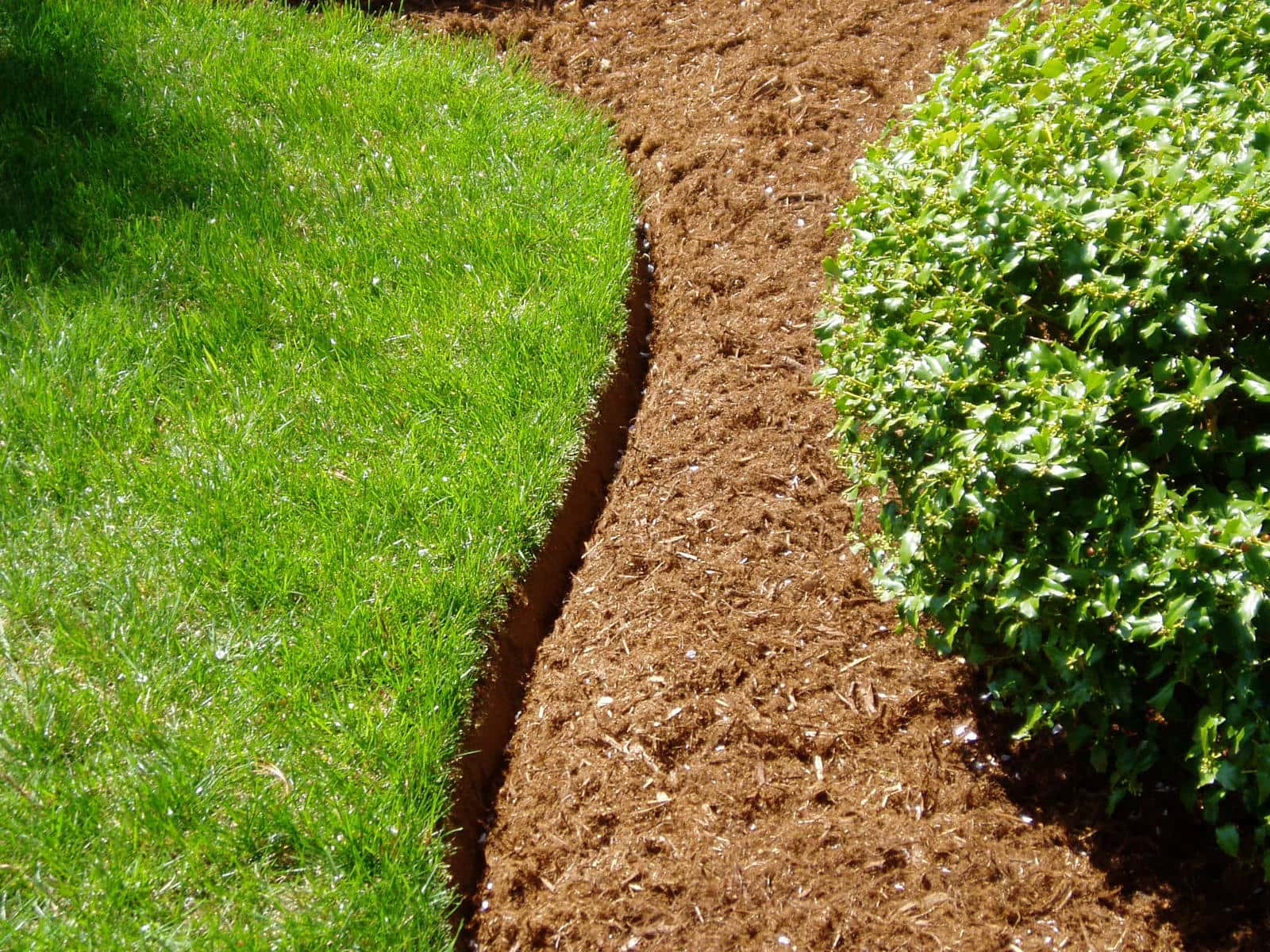
Enhance Your Garden with Creative Landscape Design Techniques Aug 14, 2026
Before diving into design specifics, it is essential to evaluate your garden’s existing features. Spend time understanding the sunlight patterns, soil type, and existing flora. This assessment will help you make informed decisions about plant choice and placement. Consider also how you intend to use the space, as this will influence the design elements you incorporate.
One fundamental technique in creative landscape design is layering. This involves placing plants in tiers to create depth and visual interest. Begin with taller trees and shrubs as the backdrop, followed by mid-sized plants, and finish with ground covers or low-growing perennials. This approach not only enhances the visual appeal but also maximizes plant health by ensuring each receives adequate sunlight and air circulation.
Another technique is to integrate hardscaping elements such as walkways, patios, and water features. Hardscapes play a crucial role in adding structure and functionality to your garden. For instance, a stone pathway can guide visitors through your garden, creating a seamless flow from one area to another. Patios provide a perfect setting for outdoor entertainment, while water features like fountains or ponds introduce tranquility through soothing natural sounds.
Consider introducing themes to your garden design for a cohesive look. Japanese, Mediterranean, or cottage styles offer distinct options that align with various personal tastes. A themed garden aids in plant selection, material choice, and decorative elements, ensuring every aspect complements the intended aesthetic. For example, a Japanese garden may include bamboo, stone lanterns, and koi ponds, offering a serene and minimalistic space.
Additionally, sustainable landscape design is gaining popularity as homeowners seek environmentally friendly solutions. Incorporate native plants, which are adapted to local climate conditions and require less maintenance. Utilizing drought-tolerant species can substantially reduce water usage, essential for eco-conscious garden management. Rain gardens and permeable paving are also effective at managing stormwater runoff, further fostering environmental sustainability.
Lighting plays an indispensable role in highlighting your garden's features after sunset. Outdoor lighting can accentuate pathways, illuminate focal points, and ensure safety. Solar-powered lights are cost-effective and reduce energy consumption, aligning with sustainable practices. Strategically placed lights can transform your garden into an enchanting evening oasis.
Finally, working with a professional landscaping service such as Lindsey's Lawn Care ensures that your creative vision is expertly brought to life. Our team offers personalized guidance, from initial design to final installation, ensuring each project is executed with precision and care.
Embrace the potential of your outdoor space by employing these creative landscape design techniques. Whether you seek a lush, green sanctuary or a dynamic space for social gatherings, the possibilities are endless. By planning carefully and thinking outside the box, you can transform your garden into an area that is both practical and profoundly beautiful. For tailored landscape solutions, contact Lindsey’s Lawn Care today, and let us help you create a garden masterpiece that reflects your style and enhances your life.
/filters:no_upscale()/filters:format(webp)/media/b64890fc-8b16-4f24-87fe-b7fac303acb3.jpg)
/filters:no_upscale()/filters:format(webp)/media/1e0dd06f-49b1-42f7-86af-a6f741ab2e32.jpg)